
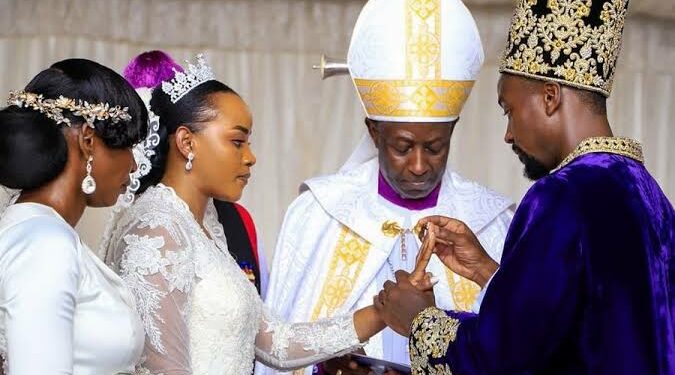
Marriage remains one of life’s most fulfilling milestones, a union grounded in love, hope, and commitment. While global attitudes toward marriage continue to shift—shaped by urban lifestyles, the internet, and social media—the legal framework in Uganda has remained firm.
It recognises several types of marriages that reflect both cultural heritage and statutory law.
For couples preparing to marry, understanding these options is vital. Which forms are recognised by law? What requirements apply? And how do issues such as monogamy, polygamy, notice, licensing, and registration differ?
Ugandan law officially recognises five types of marriages:
- Church (Christian) marriages
- Civil marriages
- Customary marriages
- Islamic marriages
- Hindu marriages
This article focuses on two: Church (Christian) marriages and Civil marriages. Each has its own procedure, requirements, and legal consequences.
Knowing the distinctions can save couples time, money, and future disputes. A significant change took effect in 2024/25 when the National Identification and Registration Authority (NIRA) assumed responsibility for conducting civil marriages and registering all marriages in Uganda—an important development for couples to plan around.
Church (Christian) marriages
Church marriages are strictly monogamous, between one man and one woman, to the exclusion of all others.
They are celebrated in a licensed place of worship before a licensed minister, subject to notice requirements (unless a minister’s special licence waives them). Not all churches are licensed to celebrate marriages, so couples must confirm in advance.
Core requirements, eligibility & process
- Capacity and consent: Both parties must be at least 18 years old, single (or widowed/divorced), not closely related, and must marry voluntarily.
- Notice of marriage: Notice is published for 21 days in the marriage district (at the church). Banns are announced during three separate services. During this period, objections may be raised. In urgent cases, a special licence may dispense with notice and place of celebration.
- Celebration and returns: If no caveats arise, the minister (Priest, Reverend, Bishop, Archbishop, Pastor, etc.) solemnises the wedding in a licensed church (or other licensed venue such as a beach or resort), records the marriage in the register, issues a certificate, and files a return with the registrar under NIRA’s system.
Points to watch
- A person with an existing customary or Islamic marriage cannot validly contract a church marriage.
- Couples must keep proof of identity and residence, and verify that their church and officiant are licensed. NIRA tracks this through its national registry framework.
Civil marriages
Civil marriages are also monogamous. They are celebrated in the office of the Registrar General (for Kampala residents) or the Chief Administrative Officers (CAOs) in other districts and cities.
In April 2024, Parliament shifted the management of civil marriages and marriage registration from the Uganda Registration Services Bureau (URSB) to NIRA. Today, civil marriages are conducted by the Registrar General in Kampala and by CAOs elsewhere. Couples must therefore coordinate with NIRA, not URSB.
Core requirements, eligibility & process
- Eligibility: Anyone who is single, widowed, or divorced, at least 18 years old, and not in a subsisting marriage may contract a civil marriage. Polygamy is not permitted.
- Required documents: Couples must prepare documents before applying online via Nira website. These include:
- Proof of citizenship (passport for foreigners, national ID for Ugandans, or refugee ID).
- LC I letter confirming residence of at least 15 days in the intended marriage district.
- One passport-size photograph each for bride and groom.
- Photocopies of valid IDs for two adult witnesses.
- Registered marriage affidavits conforming to Section 10 of the Marriage Act (registered with URSB).
- For foreigners: a letter from their home country’s Civil Registration Office confirming they are unmarried, plus valid visas.
- For divorced or widowed applicants: certified copies of divorce decrees or death certificates.
- Certified translations for documents not in English.
- For refugees: a letter from the Office of the Prime Minister confirming marital status.
- Notice of marriage: Notice is published for 21 days on the District Registrar’s notice board. If no objections are raised, the registrar issues a certificate and schedules the ceremony between 21 and 90 days later. If a caveat is raised, the matter is referred to court.
- Marriage day: The couple and their two witnesses appear before the Registrar, who solemnises the marriage and issues a certificate (Form E under the Marriage Act). Ceremonies take place Monday–Friday, between 10am and 4pm.
- Fees:
- Shs260,000 if one party is Ugandan or a refugee.
- $210 if neither party is Ugandan.
(Couples should confirm current fees with NIRA, as they may change.)
Understanding the legal distinctions between Church and Civil marriages in Uganda is crucial for couples preparing to wed.
With NIRA now overseeing registration and civil solemnisation, couples must pay attention to eligibility, documentation, and licensing to ensure their unions are legally valid.
About the Author
Jason J. Nahaabwe is a Ugandan lawyer with regional experience in commercial and family law, complemented by training in finance, arbitration, and communications.
